About the project
The scholarship project, led by Matylda Adamus, is dedicated to chamber music by 19th-century Polish composers. Its mission is to promote lesser-known repertoire, provide education in music history and Polish history, and showcase the aesthetics of the Romantic era. The website combines information about concerts with educational content, offering insights into the cultural and artistic context of this exceptional music.
Matylda Adamus is a cellist specializing in historically informed performance (HIP). She collaborates with ensembles such as Le Concert des Nations, Arte dei Suonatori, and the Orchestra des Champs-Élysées. Her solo career highlights include performing Beethoven’s Triple Concerto with the Orchestra of the 18th Century in 2022. She is deeply engaged in chamber music, presenting 19th-century repertoire at festivals like Misteria Paschalia and Utrecht Oude Muziek.
Matylda completed her cello studies at the Monteverdi Conservatory in Bolzano (2020) and honed her expertise in historical performance at the Royal Conservatory in The Hague under Lucia Swarts (2022). She has performed across Europe with leading orchestras and conductors, enriching the classical music scene with her passion and skill.
The chamber concerts dedicated to the works of Polish composers, carried out thanks to the Scholarship of the Minister of Culture and National Heritage, can be considered a project completed with great success. In total, as many as 12 concerts took place — a number higher than I had originally planned. The concerts were held in various venues including museums, palaces, concert halls, and universities. They functioned as independent events or were incorporated into larger cultural cycles, which often contributed to increasing the popularity of the performances organized thanks to the Scholarship.
Each time, the audience’s response was very positive, and the chosen repertoire as well as its authors sparked genuine interest — listeners frequently asked additional questions about the composers, their biographies, the presented musical forms, and the historical instruments used. This clearly proves that the main goal — to promote knowledge about the works of 19th-century Polish artists — was achieved.
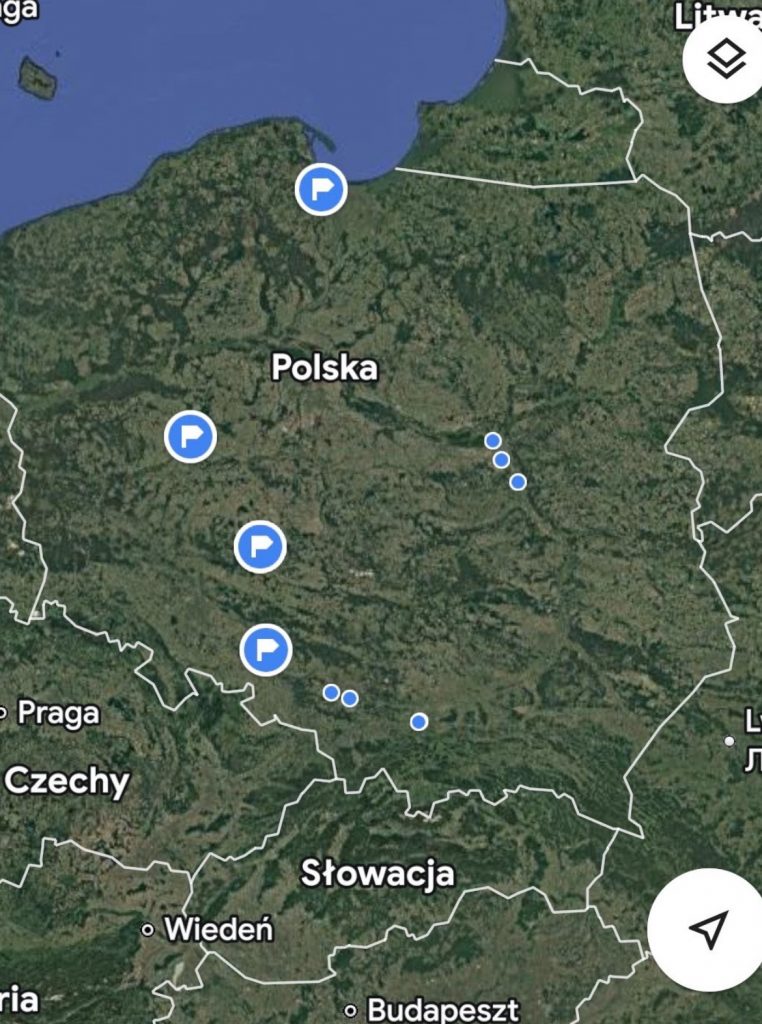
The materials published on social media also performed very well and gained significant attention. The concerts were held throughout the entire country, both in large cities and smaller towns. Altogether, the 12 concerts took place in: Kórnik, Kraków, Opole, Zabrze, Jabłonna, Otwock Wielki, Katowice, Warsaw, Antonin, and Gdańsk. Duos, trios, quartets, and quintets were presented, and recordings of the concerts are available on the project’s website.
Additionally, promotional recordings were created for the project, featuring selected duets by August Duranowski for violin and cello, performed on historical instruments. I hope that the project will continue in the future and that the series of chamber concerts dedicated to the works of Polish composers will keep developing.